

Once upon a time, staying healthy meant remembering to drink water, eating your greens, and maybe hopping on a treadmill a few times a week. Today? Your wristwatch might know more about your health than you do. Fitness wearables—like smartwatches, fitness trackers, and even rings—have completely changed how we understand and manage our health. They’ve turned daily routines into data points and workouts into feedback loops. Whether you’re just trying to hit your step goal or tracking your heart rate during a HIIT session, fitness tech is helping people become more informed, engaged, and proactive about their well-being.
Personalized Fitness Insights on Your Wrist
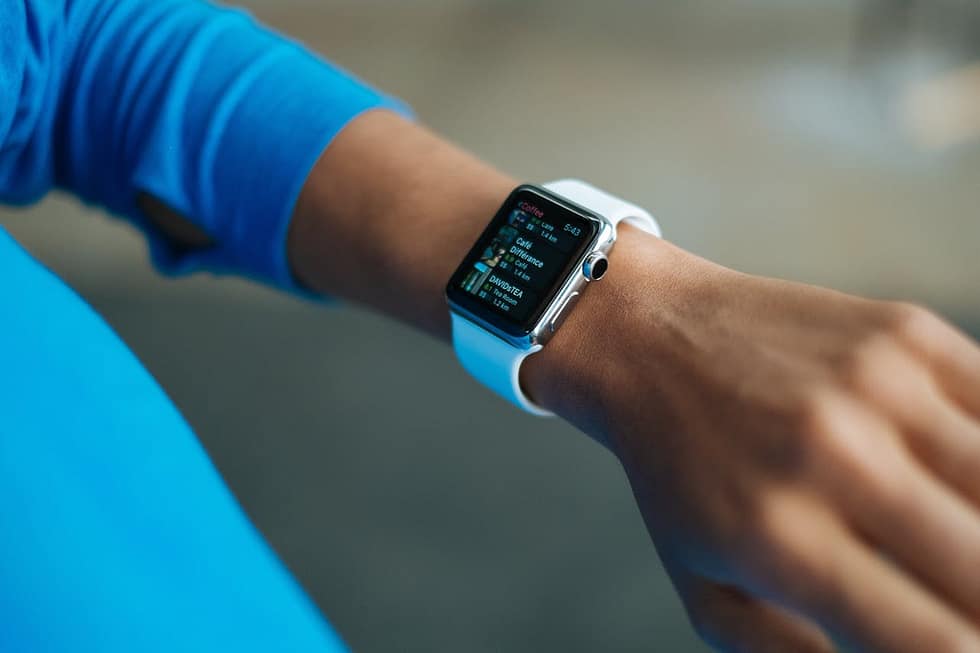 Gone are the days of one-size-fits-all workout plans. Wearables offer personalized feedback based on your unique body metrics. From resting heart rate and sleep quality to blood oxygen levels and stress indicators, these devices give you real-time insights into how your body is performing. This level of tracking helps guide smarter decisions around how to stay fit, whether that means adjusting your workouts, getting more sleep, or recognizing when your body needs a rest day. The constant stream of feedback makes health feel less like a guessing game and more like a strategy.
Motivation Through Data
Let’s face it—motivation can come and go. But when your fitness tracker buzzes to let you know you’ve hit your daily step count or when you finally see that consistent upward trend in your VO2 max, it’s a rush of instant gratification. Fitness wearables gamify your progress, giving you small, tangible goals to hit throughout the day. Whether it’s closing your activity rings, beating your personal best, or maintaining a streak, those micro-wins can build long-term habits. Data becomes your personal coach, encouraging you to keep moving.
Sleep Tracking Is the Unsung Hero
While wearables are often marketed for their workout features, sleep tracking might be the most underrated benefit. Sleep quality affects everything from mood and memory to metabolism and recovery. Most modern fitness devices offer detailed breakdowns of your sleep cycles—light, deep, REM—and even give tips to improve your sleep hygiene. Armed with this info, you can start to connect poor sleep with sluggish workouts or low energy, and adjust your habits accordingly.
Heart Rate Monitoring for Smarter Workouts

Heart rate monitoring isn’t just for elite athletes anymore. Whether you’re training for a marathon or just trying to stay active, keeping an eye on your heart rate zones helps you get more out of your workouts. Wearables let you track which heart rate zone you’re in—fat burn, cardio, or peak—so you can tailor your intensity based on your goals. Plus, by tracking your heart rate over time, you can see improvements in cardiovascular fitness and even spot early signs of overtraining or stress.
Long-Term Health Awareness
Fitness wearables aren’t just about immediate results—they’re also powerful tools for long-term health management. With months or even years of data at your fingertips, you can start to see trends that go beyond workouts: how stress impacts your health, how your body reacts to different routines, or how your recovery improves with more sleep. Some devices are even starting to offer predictive insights, alerting you to potential issues before symptoms arise. This kind of preventive health support is where wearables are truly starting to change the game.
Fitness wearables are more than just high-tech accessories—they’re mini health companions that keep you informed, motivated, and more connected to your body. By turning everyday activities into actionable data, they’ve redefined what it means to take control of your health. Whether you’re just getting started or looking to level up, wearables can offer the insights and encouragement to help you build a lifestyle that actually lasts.

